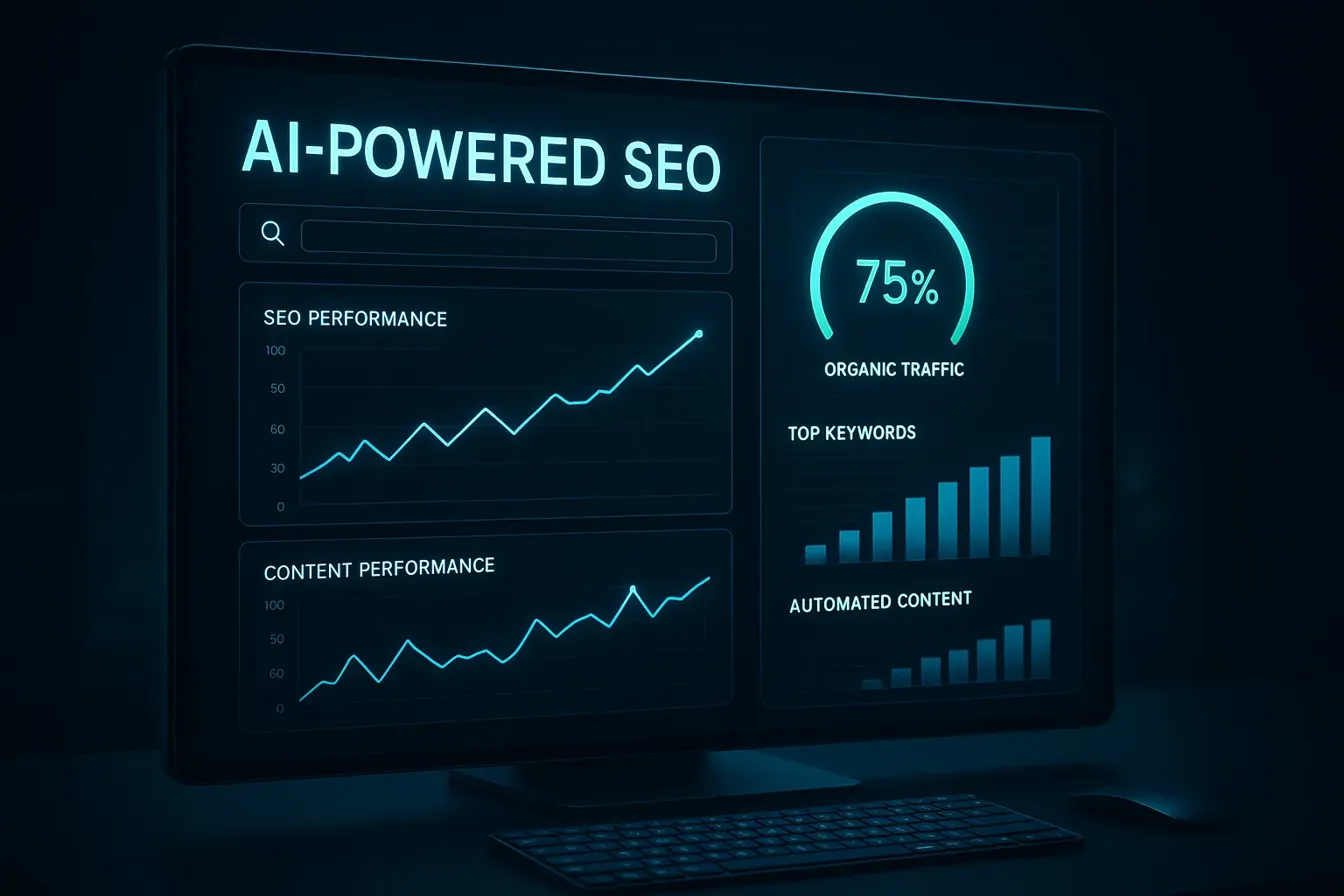


Rank.ai

February 12, 2026
Optimizing Your Online Presence with Digital Automation
Harnessing Digital Automation to Elevate Your Online Presence
Introduction to Digital Automation and Online Presence Optimization
Understanding Digital Automation
Digital automation in marketing involves using AI-powered tools and software to automate repetitive tasks such as email campaigns, social media management, SEO updates, and customer engagement. This streamlines workflows, saves time, and enables personalized communication at scale without sacrificing quality.
The Crucial Role of Online Presence
For businesses, especially small and medium-sized enterprises, maintaining a dynamic and secure online presence is essential. A well-optimized website, supported by up-to-date content, clear calls to action, and accessibility features, establishes credibility, improves search engine ranking, and increases customer trust.
Synergizing Automation with Online Presence
Combining digital automation with online presence optimization empowers businesses to operate efficiently while delivering personalized customer experiences. Automation tools can simplify website management, optimize SEO, and maintain consistent brand messaging across channels. This integration not only reduces operational costs but also drives higher engagement and conversion rates, supporting sustainable business growth.
Understanding Digital Automation and Its Business Impact
What is digital automation?
Digital automation refers to using digital technologies to streamline, standardize, and execute business processes with minimal human intervention. It combines traditional rule-based automation with intelligent automation, which applies AI, machine learning, robotic process automation (RPA), and natural language processing to handle complex data and make context-aware decisions. This approach boosts accuracy, speed, and scalability across functions like finance, HR, IT, and customer service. Digital automation is a core driver of digital transformation, helping businesses improve operational efficiency and create personalized customer experiences.
What are examples of digital automation?
Digital automation manifests in many practical applications across industries. Common examples include:
- Automated email marketing campaigns triggered by user actions, improving lead nurturing and engagement.
- Chatbots delivering 24/7 customer support, resolving inquiries without human delay.
- Robotic process automation (RPA) handling repetitive tasks such as invoice processing and data entry.
- Inventory management systems that update stock levels in real time, reducing manual errors.
- AI-powered content generation tools producing articles, social media posts, and personalized marketing messages.
- Low-code platforms enabling rapid development of custom automation workflows without deep programming knowledge.
What role does digital automation play in digital transformation?
Digital automation acts as a foundational enabler of digital transformation by fundamentally reshaping how businesses operate. It enhances productivity by automating repetitive, time-consuming tasks, allowing human teams to focus on strategic activities like storytelling and creativity. Automation also personalizes customer interactions at scale, improving loyalty and conversion rates. Furthermore, integrating automation with analytics provides real-time insights, driving smarter decision-making and continuous optimization. Leading companies use digital automation to innovate faster, reduce costs, and remain competitive in today's fast-evolving digital landscape. For more on this, explore resources on Marketing Automation and Personalized Customer Experiences and Marketing Automation Strategies.
What is Marketing Automation and Why It Matters
What is marketing automation?
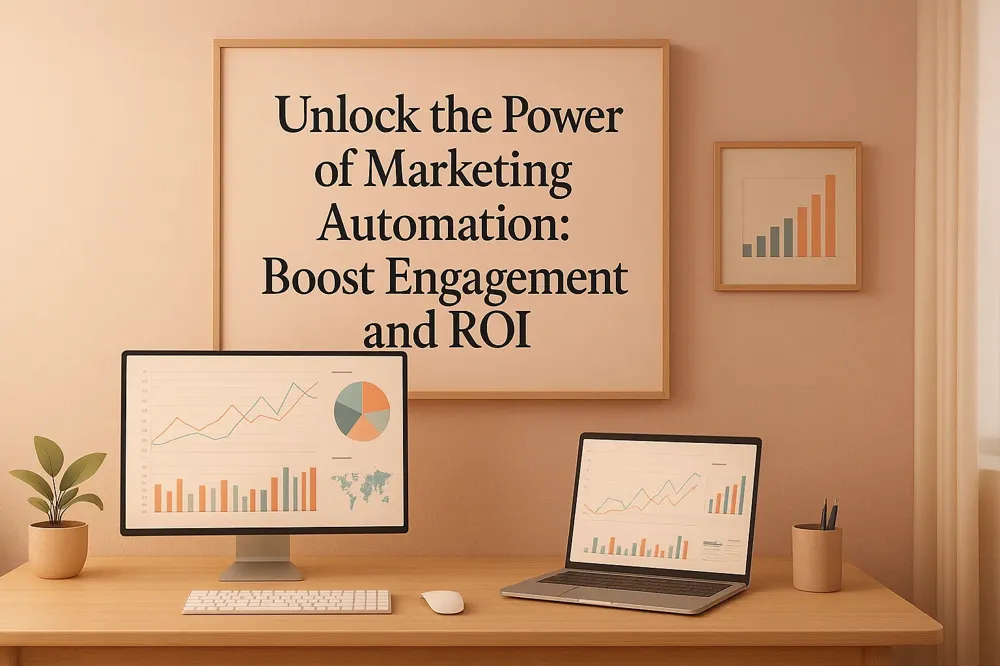
Marketing automation involves using specialized software and tech tools to streamline marketing activities across various online channels. It automates repetitive tasks like email campaigns, social media posting, and customer communications, freeing up valuable time and resources. Popular platforms such as HubSpot CRM automation integrate AI technologies with traditional marketing techniques, enabling businesses in the US to optimize digital presence, automate content creation, and manage unified customer data through Smart CRM features. AI-powered tools like Breeze Agents also automate many customer inquiries, improving efficiency and engagement. Overall, marketing automation helps companies operate more effectively, deliver targeted messaging, and drive measurable growth.
What are the benefits of using marketing automation?
Marketing automation delivers numerous advantages. It increases operational efficiency by minimizing manual, repetitive work and allows teams to focus on strategic priorities. Businesses experience higher engagement through personalized customer experiences, lead nurturing, and timely follow-ups. Automation improves sales productivity by up to 14% and often generates a positive return on investment within the first year. It fosters better alignment between marketing and sales teams, enhancing deal closure rates by 67% and customer retention by 36%. Moreover, well-crafted omnichannel campaigns powered by automation can nearly quadruple purchase rates. Additional benefits include cost reduction via improved targeting, faster execution, and consistent message delivery. With more than three-quarters of marketers seeing success using Marketing Automation and ROI, it's a proven driver of growth and marketing performance.
How does marketing automation relate to digital automation?
Marketing automation is a critical subset of broader Automation in digital marketing focused specifically on marketing tasks and customer engagement. It works hand-in-hand with tools like analytics platforms, social media schedulers, and email marketing systems to create a seamless, responsive digital marketing ecosystem. Automation integrates data from multiple touchpoints, enabling real-time campaigns personalized by AI-driven insights. It also simplifies complex processes like lead scoring and campaign optimization, producing efficient digital workflows that enhance the customer journey from awareness through purchase. As a result, marketing automation acts as a foundational technology within digital marketing strategies, empowering businesses to scale efforts without additional resources while maintaining a high level of personalization.
Top Marketing Automation Platforms and Tools to Boost Efficiency

What are marketing automation platforms?
Marketing automation platforms are advanced software solutions designed to automate and streamline numerous marketing activities. These include email campaigns, social media management, lead nurturing, and analytics. Platforms like HubSpot leverage CRM data to trigger personalized workflows, making marketing efforts more targeted and efficient. They not only reduce manual workload but also improve customer engagement and campaign effectiveness by connecting various marketing functions under one roof. Many platforms provide educational resources and emphasize creating clear business processes before implementing automation for optimal results. Learn more about Marketing Automation Strategies.
What are examples of marketing automation tools?
Several powerful marketing automation tools are widely used by businesses to maximize their marketing impact:
| Tool | Core Functions | Notable Features |
|---|---|---|
| HubSpot | Email marketing, CRM, lead nurturing | Integrated CRM, personalized workflows, educational resources |
| Marketo | Lead management, analytics | Extensive campaign management, scalability |
| Eloqua | Email automation, targeting | Advanced segmentation and reporting |
| Pardot | Lead scoring, email automation | Salesforce integration, B2B focus |
| SharpSpring | CRM, email marketing | Affordable, robust tracking |
| Keap | Email marketing, sales automation | User-friendly, e-commerce integrations |
| Act-On | Multi-channel marketing | Campaign orchestration |
| Encharge | Behavior-based email automation | Visual flow builder, SaaS integration, recurring billing automation |
How these tools help businesses optimize marketing efforts
Marketing automation tools enable businesses to streamline repetitive tasks such as scheduling emails or social media posts, lead scoring, and customer segmentation. By automating these processes, teams can focus on strategic marketing initiatives and personalized content creation. These platforms improve data-driven decision-making with built-in analytics and real-time performance tracking, allowing continuous optimization of campaigns. Scalability is another important benefit, as automation platforms efficiently handle growing customer bases without requiring proportional increases in manual effort. Ultimately, these tools help increase marketing efficiency, improve customer engagement, and boost return on investment (ROI).
How to Effectively Automate Digital Marketing
How to automate digital marketing?
To effectively automate digital marketing, businesses should adopt a step-by-step approach that leverages AI-powered marketing tools. Start by identifying repetitive tasks such as email campaigns, social media scheduling, and lead nurturing that can be automated. Select suitable tools like HubSpot, Mailchimp, or Hootsuite that offer robust automation features tailored for personalized marketing messages.
Step-by-step approach to automating digital marketing
- Define marketing goals and customer journeys: Understand what you want to achieve and map the stages your customers go through.
- Choose automation software: Pick platforms offering AI capabilities such as predictive analytics, dynamic content, and chatbots.
- Develop automated workflows: Set triggers based on user behavior like form submissions, page visits, or email interactions to deliver targeted content.
- Create personalized communications: Use AI to customize emails and messages improving engagement and conversion rates.
- Implement social media automation: Schedule posts and unify conversations across platforms for consistent brand identity.
- Monitor and optimize: Use analytics tools like Google Analytics and HubSpot to measure ROI, identify drop-off points, and refine campaigns.
Leveraging AI-powered platforms and tools
AI enhances marketing automation by enabling hyper-personalized experiences and speeding up processes. Platforms like HubSpot integrate CRM and marketing automation, allowing businesses to track and segment customers dynamically. Chatbots engage visitors instantly, while AI-driven recommendations increase relevance in messaging. Tools such as Hootsuite and ContentStudio streamline social media management, saving time and improving audience engagement.
Examples of automation in action
Businesses across industries successfully automate their marketing. For example, Airbnb uses AI to deliver personalized recommendations and streamline communications, improving booking conversions. Netflix customizes landing pages and content suggestions through automation to maintain viewer engagement. Small businesses leverage marketing automation strategies for efficient email drip campaigns and cart abandonment recovery, increasing sales and customer retention. These examples illustrate how automation can scale marketing efforts without additional human resources while increasing efficiency and ROI.
Optimizing Your Online Presence with SEO and Content Automation
Importance of website optimization for small businesses
Small businesses must focus on Small business website optimization to build customer trust and stand out in competitive markets. An optimized website includes Website design accessibility, relevant content, and seamless navigation. Regular updates to your website’s copy, visuals, and Updating physical business hours can boost search rankings and demonstrate reliability. Securing your site with SSL certificates for website security is essential to protect customer information and enhance credibility.
SEO best practices and automation benefits
Effective SEO involves strategically Using relevant keywords, optimizing title tags and meta descriptions, and consistently publishing Quality content creation. Automation tools simplify these tasks by scheduling updates, Managing digital storefront with AI, and tracking performance metrics in real-time. Marketing automation benefits platforms help deliver personalized content and nurture leads based on user behavior, dramatically improving engagement and conversion rates.
Role of AI in updating and maintaining digital presence
Using AI for small business website management streamline website management for small businesses by enabling quick updates without requiring technical expertise. AI-powered automation accelerates content personalization, SEO tasks, and social media management—allowing teams to concentrate on strategy and storytelling. By maintaining a "living" digital presence through AI, businesses can enhance their credibility, stay relevant, and secure sustained growth.
How to optimize an online presence?
To optimize your online presence effectively, start by creating a visually appealing, easy-to-navigate website that clearly communicates your brand message. Incorporate comprehensive Effective SEO strategies, including keyword optimization, quality backlinks, and technical improvements like mobile responsiveness and fast loading speeds. Engage actively with your audience on relevant Social media platform focus to build relationships and increase brand awareness. Encourage satisfied customers to leave positive reviews, which can boost your credibility and influence potential clients. Finally, monitor and manage your online reputation regularly using tools like those provided by Rank.ai, ensuring your brand remains trustworthy and competitive in search engine rankings.
Benefits and Challenges of Marketing Automation
What are the pros and cons of marketing automation?
Marketing automation benefits significantly enhance efficiency by automating repetitive tasks like email campaigns and social media posting. This allows marketing teams to focus on strategic planning, boosting productivity and improving ROI. Personalized messaging at scale creates stronger customer engagement, loyalty, and conversion rates. Automation tools for digital marketing also reduce operational costs and streamline lead nurturing by using behavioral data from various channels.
However, the drawbacks include substantial upfront investment and continuous management to maintain effectiveness. Overreliance on automation risks impersonal communications, potentially alienating customers and damaging brand reputation. Automated systems may overlook nuanced engagement opportunities that human creativity and intuition can identify.
How can companies balance automation with human creativity?
While automation handles routine tasks, Creative input in automation campaigns ensures marketing campaigns stay relevant and engaging. Creative input is critical to avoid monotonous content and maintain a unique brand voice. Marketers must blend data-driven personalization with storytelling and emotional connection, using automation as a tool rather than a substitute for human ingenuity.
What should businesses consider before implementing marketing automation?
Implementation requires careful research to select appropriate platforms that fit the company’s needs, such as HubSpot CRM automation, Mailchimp email marketing automation, or HootSuite for social media automation. Training teams to use these tools effectively and ensuring data privacy and security compliance are vital. Monitoring performance metrics like click-through and conversion rates helps optimize campaigns in real time. Investing time in mapping customer journeys and defining automation goals leads to better-targeted and more impactful marketing strategies.
Maximizing ROI and Engagement Through Automated Marketing Strategies
Strategies to maximize return on investment with automation
Marketing automation benefits consistently delivers impressive ROI, with studies showing an average return of $5.44 per dollar spent. To maximize returns, businesses should focus on Personalized Marketing Strategies with Automation using behavioral data collected across digital channels. Automation platforms unify customer data, improving collaboration between marketing and sales teams and boosting productivity. By Reducing Repetitive Tasks through Automation such as scheduling emails and social media posts, teams can focus more on strategic planning and storytelling.
Using event-based, scheduled, and recurring automation
Marketing Automation Strategies vary in type and timing. Event-based automation triggers communications based on specific user actions, such as cart abandonment or changes in loyalty status, effectively recapturing lost opportunities. Scheduled automation involves pre-planned campaigns like seasonal sales announcements or reactivation messages to maintain ongoing engagement. Recurring automation sends personalized communications tied to dates or customer milestones, including birthdays or anniversaries, nurturing loyalty.
Incorporation of real-time analytics and AI
Leveraging real-time analytics powered by AI is crucial for continuous optimization of automation campaigns. Tools like Google Analytics and HubSpot provide instant insights, enabling marketers to track performance indicators such as click-through and conversion rates. AI enhances automation by enabling hyper-personalized content, product recommendations, and predictive analytics that identify high-value leads. Combining automation with AI marketing market growth-driven insights helps create seamless, personalized customer journeys that increase engagement and conversion rates.
Essential Tools and Technologies for Digital Marketing Automation
What are common automation tools used in business and marketing?
Businesses use a variety of automation tools for digital marketing to streamline digital marketing efforts and improve customer engagement. Popular platforms include HubSpot CRM automation and Salesforce for CRM and sales automation, alongside Marketo and Mailchimp for email marketing campaigns. Social media management is often automated through tools like HootSuite for social media automation and Buffer, which schedule content and track performance across multiple channels. Google Analytics automation and SEMrush provide essential data insights to optimize SEO and website performance. ActiveCampaign is also noteworthy, merging email marketing, CRM, and sales automation on one platform. Together, these tools help increase productivity, sharpen marketing strategies, and enhance customer experience.
What are some of the best AI workflow automation tools?
For AI-driven workflow automation, Zapier stands out for its ease of use, enabling non-technical users to connect disparate applications and automate tasks effortlessly. Make (formerly Integromat) offers powerful visual scenario building and data transformation capabilities, ideal for complex workflows. Simple and no-code AI workflow automation tools are available with tools like Gumloop, catering to users who want quick results without deep technical skills. Lindy.ai focuses on AI automation tailored to small businesses and startups, providing user-friendly interfaces. Enterprise-grade platforms such as UiPath and Automation Anywhere deliver extensive automation possibilities across numerous business processes.
How do these tools improve productivity and customer experience?
Automation tools save time by handling repetitive marketing tasks like email scheduling, social posting, and lead nurturing, freeing teams to focus on strategy and creative storytelling. AI-powered platforms personalize communication by analyzing customer behavior data, enabling timely and relevant interactions that boost engagement and conversion rates. Robust analytics integration allows marketers to monitor real-time performance, optimize campaigns dynamically, and deliver seamless, consistent experiences across channels. This combination of efficiency and personalization significantly lifts marketing automation benefits, supports scalability, and builds stronger customer relationships across business sizes and sectors. For further insights on AI marketing market growth and automation in digital marketing, see linked resources.
Leveraging Automation to Build a Strong and Adaptive Online Brand

How AI and automation enable a living digital presence
AI and marketing automation empower businesses—especially small ones—to transform their websites and digital channels into dynamic, AI to create a "living" website. Automation tools manage routine tasks like AI automation for SEO tasks, freeing up human resources to focus on strategic storytelling and customer engagement. By integrating AI-powered platforms within website builders, small businesses benefit from streamlined Domain management in website builders, security updates, and layout improvements without requiring technical expertise.
Improving customer trust and competitive advantage
Regularly refreshed websites that prioritize Website design accessibility, SSL certificates for website security, and Clear calls to action build deeper customer trust. AI-driven personalized marketing strategies enhance interactions by delivering timely, relevant content across channels based on user behavior and demographics. This precision increases Increase in Conversion Rates with Automation. Moreover, marketing automation platforms track vital metrics—click-throughs, conversions, and engagement—allowing businesses to optimize campaigns in real time. Together, AI and automation reduce operational costs and provide consistent, high-quality Personalizing Customer Experiences With Automation that help brands stand out in competitive markets.
Use cases from small businesses and brands
US-based small businesses have seen measurable growth by adopting AI enhancements: automating lead nurturing through Drip campaigns and abandoned cart emails; utilizing behavioral analytics for predictive marketing; and managing social media with scheduled posts and audience insights. Brands like boutique skincare companies have significantly increased retention and sales within months by employing Email Marketing Automation Benefits. Integration of headless CMS with marketing automation tools enables accelerated content delivery and seamless personalization, as evidenced by successful examples in digital deals platforms. These practical use cases highlight how automation in digital marketing enables small to medium-sized enterprises to scale smartly, maintain relevance, and foster ongoing customer relationships.
Conclusion: Embracing Digital Automation for Sustained Online Success
Unlocking Growth with Automation
Digital marketing automation empowers businesses of all sizes to boost productivity by automating routine tasks like email campaigns, social media scheduling, and SEO updates. This allows teams to focus on strategy and creative storytelling that resonate with their audience. By personalizing communications through AI-powered segmentation and predictive analytics, businesses improve customer engagement and conversion rates.
Why Implement Digital Automation Today?
Automation reduces operational costs while increasing efficiency and marketing ROI. Small businesses gain time-saving advantages with integrated tools that streamline domain management, content updates, and customer outreach. Large enterprises benefit from unified customer data platforms that align sales and marketing efforts for maximized revenue impact. Moreover, automation facilitates timely and personalized interactions that guide prospects naturally through the sales funnel, enhancing customer loyalty.
Looking Ahead: The Future of Digital Marketing Automation
The digital marketing automation market is rapidly expanding, driven by AI-powered innovations that enable real-time personalization and smarter decision-making. As platforms continue to evolve, businesses that adopt automation effectively will stand out by delivering seamless, customized experiences across multiple channels. Investing in training and the right tools will be essential to harness these advancements safely and creatively.
Embracing marketing automation is no longer optional — it is a strategic imperative for sustained online success in today’s competitive environment.
Table of contents
Introduction to Digital Automation and Online Presence OptimizationUnderstanding Digital Automation and Its Business ImpactWhat is Marketing Automation and Why It MattersTop Marketing Automation Platforms and Tools to Boost EfficiencyHow to Effectively Automate Digital MarketingOptimizing Your Online Presence with SEO and Content AutomationBenefits and Challenges of Marketing AutomationMaximizing ROI and Engagement Through Automated Marketing StrategiesEssential Tools and Technologies for Digital Marketing AutomationLeveraging Automation to Build a Strong and Adaptive Online BrandConclusion: Embracing Digital Automation for Sustained Online Success
Ready to improve
your rankings?
Use our free tools to get instant insights into your SEO performance and discover opportunities to rank higher